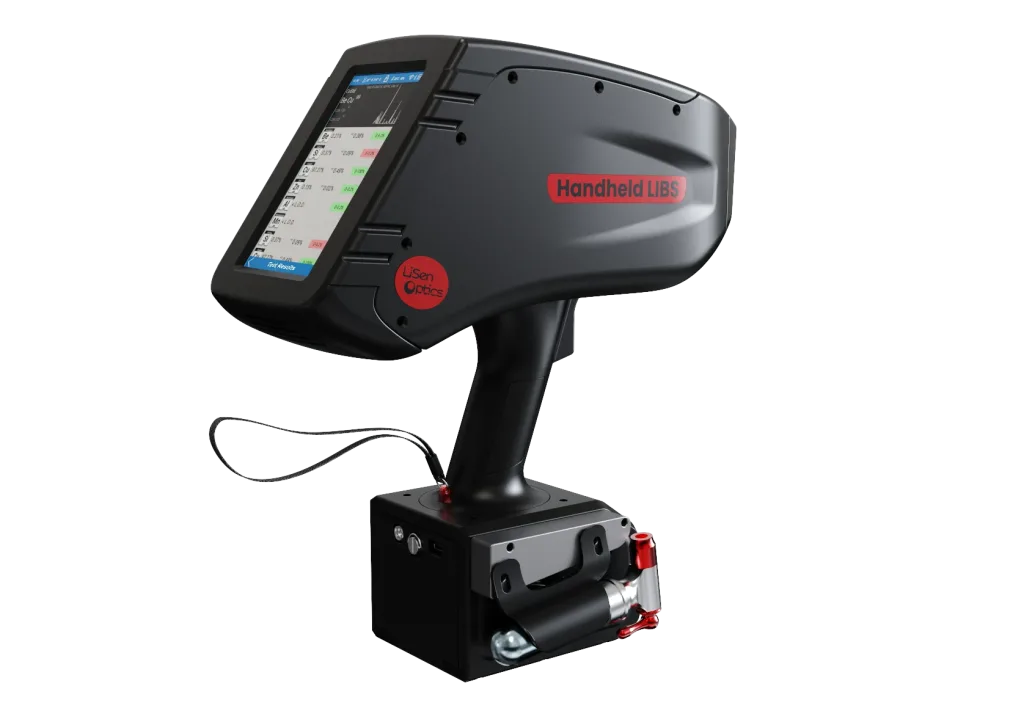
Rapid Alloy Identification on Site
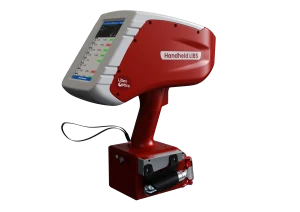
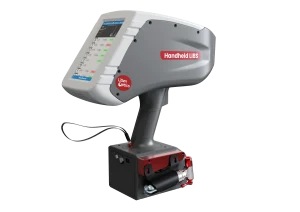
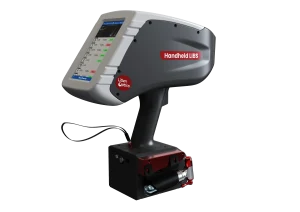
The LiSen Optics iSpecLIBS-HH-ALL provides on-site elemental analysis and alloy grade identification, with results available in as little as 1 second. It weighs 2.5 kg and has an IP54-rated enclosure for demanding industrial environments.
The analyzer detects light and heavy elements in stainless steel, low-alloy steel, titanium alloys, aluminum alloys, and other metals. A proprietary oxide-layer compensation algorithm reduces the effects of surface oxidation, supporting scrap sorting, metal recycling, manufacturing quality control, aerospace inspection, automotive production, and incoming material verification.
Technical Specifications
| Parameter | iSpecLIBS-HH-ALL |
|---|---|
| Product Image |
 |
| Dimensions | 280 x 280 x 100 mm |
| Weight | 2.5 kg |
| Wavelength Range | 200-505 nm |
| Laser | 150 µJ; 1064 nm (Class 3B passively Q-switched solid-state laser) |
| Spectrometer | Czerny-Turner optical system with a high-resolution miniature CCD/CMOS detector |
| Spectral Resolution | 0.2-0.28 nm |
| Applicable Samples | Nearly all common metals and alloys |
| Concentration Range | 10 ppm to percentage levels, depending on the element and sample matrix; detection limits can reach the ppm level |
| Analysis Time | ≤3 s |
| Ferrous alloys — Elements | Fe, Cr, Ni, Mn, Cu, V, Mo, Si, C, Ti, Co |
| Titanium alloys — Elements | Ti, Al, Mo, V, Mn, Zr, Si, Nd, Fe, C, N, H, O |
| Aluminum alloys — Elements | Be, Mg, Al, Si, Ti, V, Cr, Mn, Fe, Ni, Cu, Zn, Zr, Sn, Pb, Bi, Ag |
| Copper alloys — Elements | Be, Al, Si, Cr, Mn, Fe, Ni, Cu, Zn, Ag, Sn, Pb, Bi |
| Magnesium alloys — Elements | Mg, Al, Zn, Mn, Si, Zr, Sn, Cu, Ag, Ca, Ni, C, Fe |
| Nickel alloys — Elements | Al, Si, Ti, Cr, Mn, Fe, Co, Ni, Cu, Nb, Mo, W |
| Manganese alloys — Elements | Mn, Fe, Si, C, P, S, N, O, Al, Ca, H |
| Cobalt-base alloys — Elements | Al, Si, Ti, Cr, Mn, Fe, Co, Ni, Cu, Nb, Mo, W |
| Alloy Database | SAE, AISI, and ASTM libraries; user-editable |
| Data Formats | CSV, XLSX |
| Report Generation | Supported |
| Analysis Type | Semi-quantitative analysis |
| Grade Identification Accuracy | 80-90% |
| Argon and Vacuum Requirements | No argon or vacuum is required for routine operation. The quick-release optical chamber allows easy cleaning and maintenance. |
| Operating Temperature | 0-40 °C |
| Ingress Protection | IP54 |
| Display | 4.3-inch color touchscreen |
| Power | 14.4 V, 3.6 A, 50 W power supply |
| Battery Life | Up to 4 hours per battery; four replaceable batteries included |
| Safety Features | Safety interlocks based on chamber pressure, operating mode, and light/dark sensor status |
| Dual-Camera Imaging | Wide-angle and macro cameras: the wide-angle camera captures sample images and measurement-location context, while the macro camera supports laser targeting and detailed inspection of the ablation crater |
| Languages | English and Simplified Chinese |
| Data Storage / Connectivity | 32 GB, 64 GB, or 128 GB storage options; Bluetooth, USB Type-C, Wi-Fi, and GPS |
| Operating System | Linux |
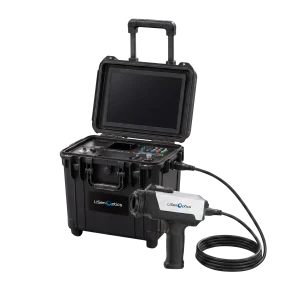
| Standard Package | Carrying case, standard alloy grade library, spare battery pack, laser safety glasses, charger, argon kit, cleaning kit with removable nozzle assembly, and communication cable |
| Calibration & Self-Test | Automatic calibration using alloy reference standards and wavelength-scale verification |
Onboard Operation and Data
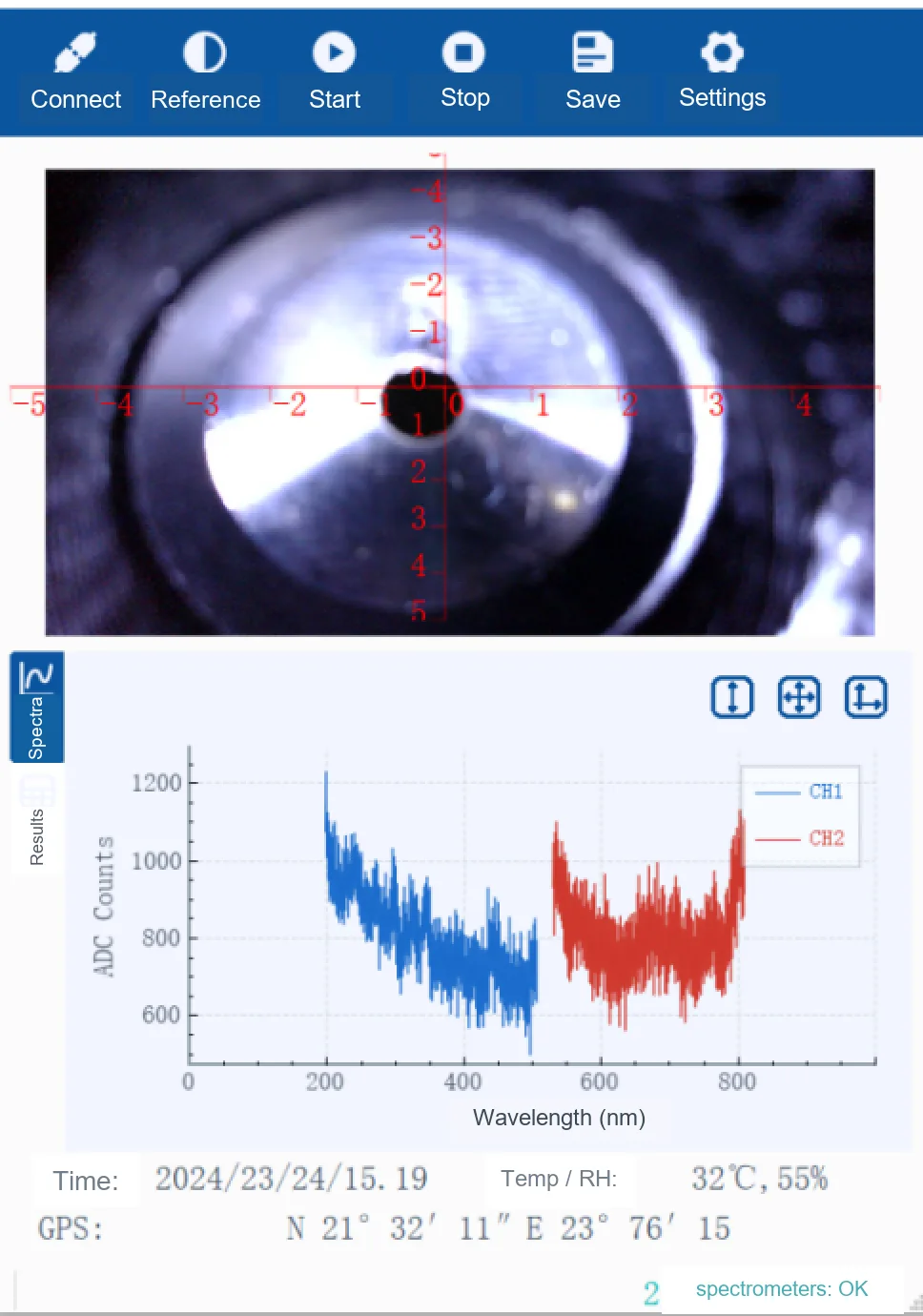
The 4.3-inch color touchscreen displays spectra, raw data, and analytical results. A wide-angle camera records the sample and measurement location, while a macro camera supports laser targeting and inspection of the ablation crater.
Spectral coverage of 200–505 nm and a resolution of 0.2–0.28 nm help distinguish elemental emission lines for major, minor, and trace-element analysis. Storage options of 32 GB, 64 GB, and 128 GB support data archiving and measurement traceability. Results can be exported as CSV or XLSX files.
Applications
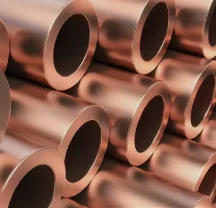
Supported materials include stainless, carbon, low-alloy, and silicon steels, as well as titanium, aluminum, copper, magnesium, nickel, manganese, and cobalt-based alloys.
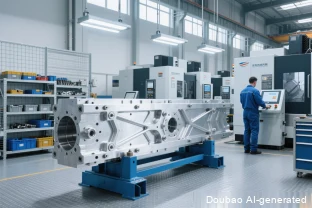
AI-generated illustration

AI-generated illustration
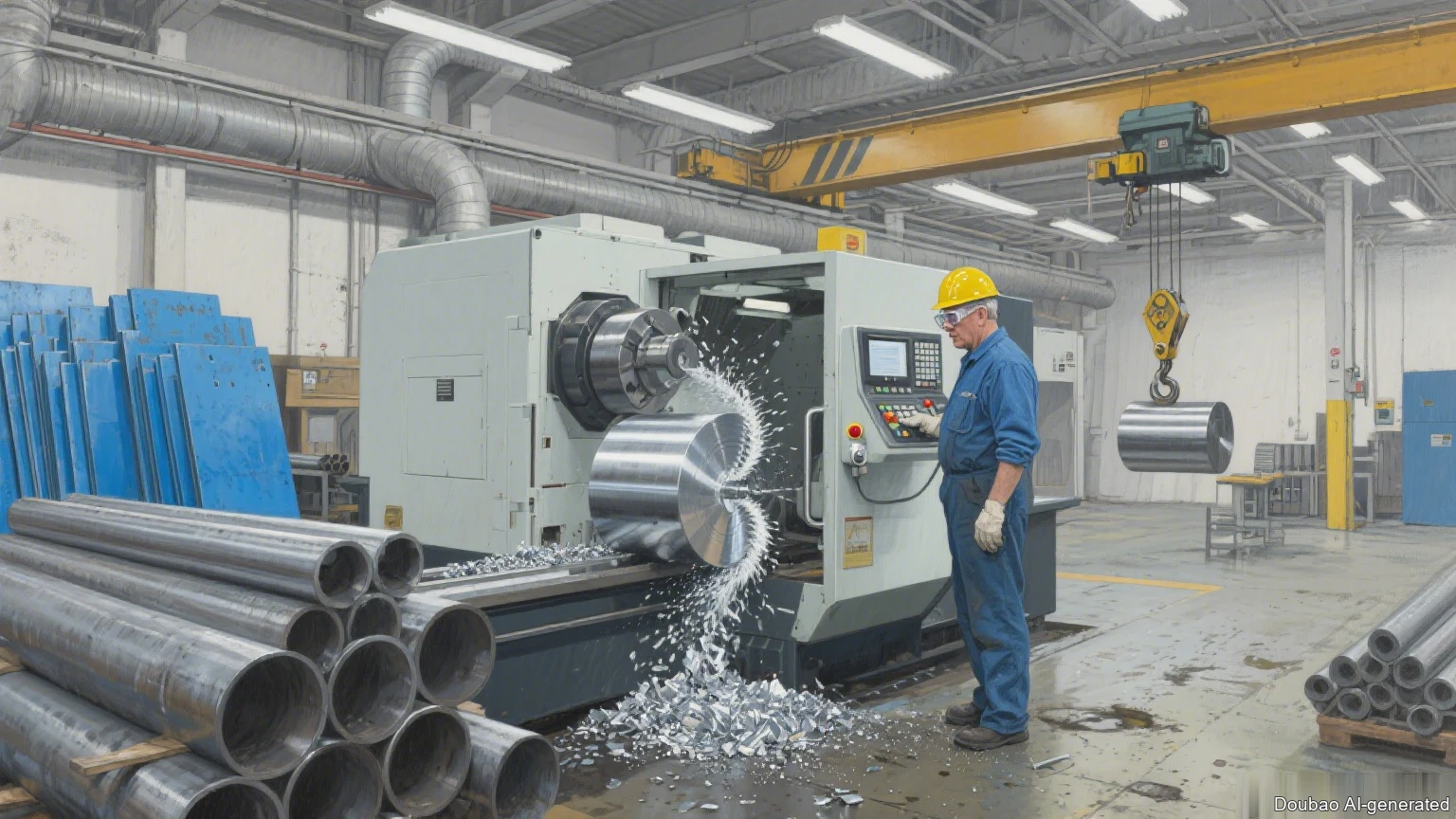
AI-generated illustration

AI-generated illustration
Reported Application Examples
The following examples describe reported results under the operating conditions stated for each application.
Scrap Metal Recycling
A large scrap metal recycling facility in Taizhou, Zhejiang, reported a 40% increase in sorting efficiency after deploying the iSpecLIBS-HH-ALL while processing up to 300 metric tons of scrap metal per day. The analyzer distinguishes 304 from 316 stainless steel in as little as 1 second, helping avoid costly grade errors associated with conventional spark testing.
In a previous incident, an incorrect stainless steel grade identification had caused a loss of RMB 80,000. Real-time cloud-based data transmission also allows the facility to adjust purchasing and pricing strategies dynamically. Sorting accuracy for high-value alloys increased from 80% to 90%.
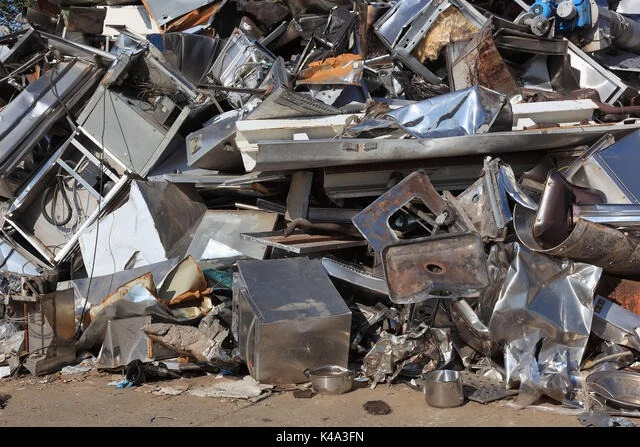
Illustrative image · Alamy
AI-generated illustration
Aerospace Manufacturing
An aircraft engine manufacturer uses the iSpecLIBS-HH-ALL to control composition during the production of nickel-based superalloy turbine disks. With inert-gas protection, the reported measurement accuracy reaches ±0.03 wt.% for critical elements such as chromium (Cr) and cobalt (Co), with three times the testing efficiency of conventional X-ray fluorescence methods.
During incoming inspection of turbine blades, the analyzer identified niobium (Nb) content exceeding the specified limit by 0.08% within 10 seconds, helping prevent potential failures in high-temperature strength. Integrating the analyzer into production reduced inspection time per batch from 4 hours to 20 minutes, lowering quality risks and potential production losses.
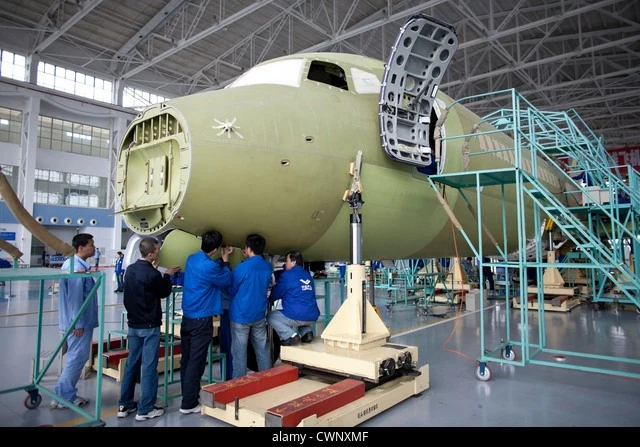
Illustrative image · Alamy
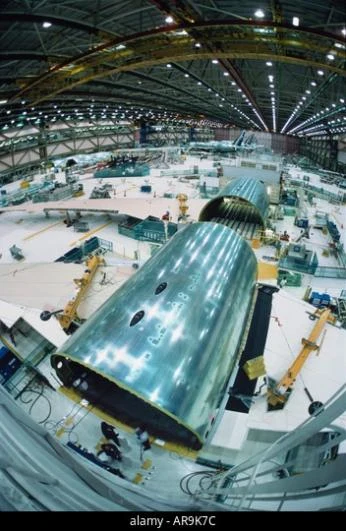
Illustrative image · Alamy
Automotive Manufacturing
A major automotive component manufacturer integrated the iSpecLIBS-HH-ALL into an aluminum alloy wheel production line to monitor magnesium (Mg), silicon (Si), and other critical elements through rapid 1-second measurements. The built-in library of widely used international aluminum alloy grades compares measured compositions with specified grade limits. Wheel failures attributed to composition deviations fell from 0.8% to 0.2%.
During validation of electric vehicle battery enclosure materials, the analyzer detected excessive zinc (Zn) in a supplier-provided 7xxx-series aluminum alloy within 30 seconds. This helped prevent potential safety risks associated with insufficient material strength.

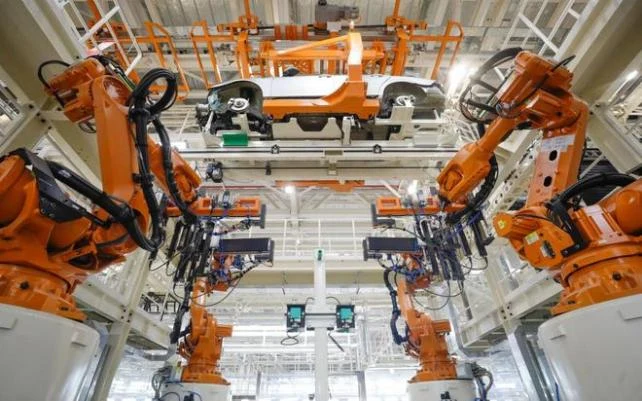
Explore the handheld LIBS analyzer range or contact LiSen Optics to discuss alloy libraries, inspection workflows, and your measurement requirements.