
Overview
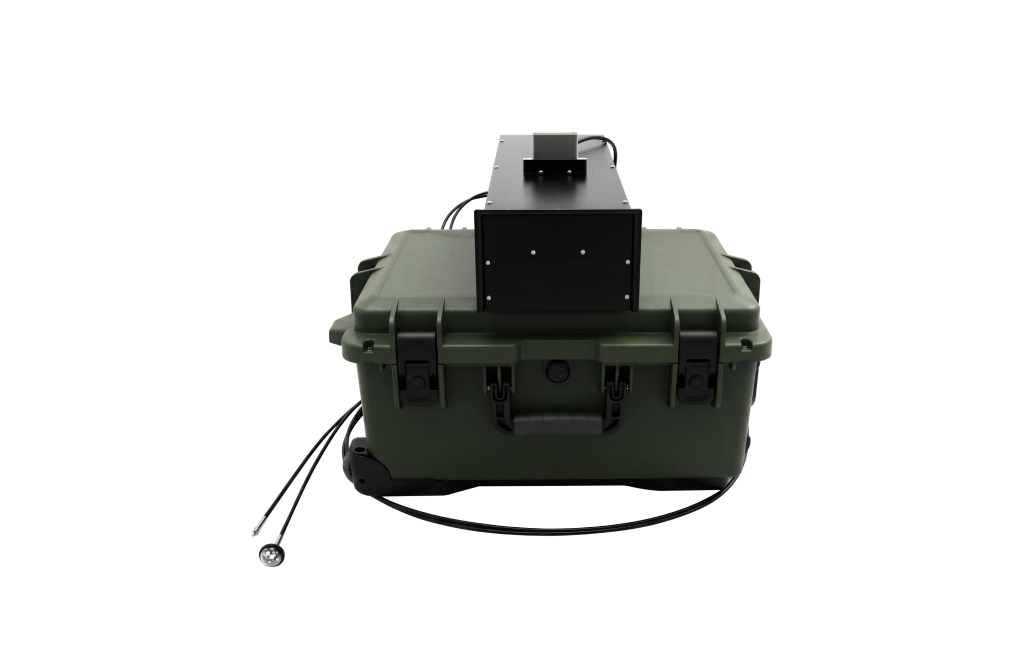
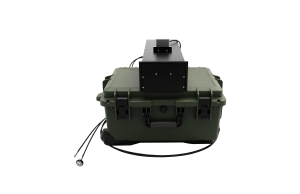
The iSpecSIF Fully Automated Solar-Induced Fluorescence Monitoring System is designed for continuous, high-frequency canopy observations under changing field conditions. It integrates spectrometers, optical probes, power management, and communications in one field system.
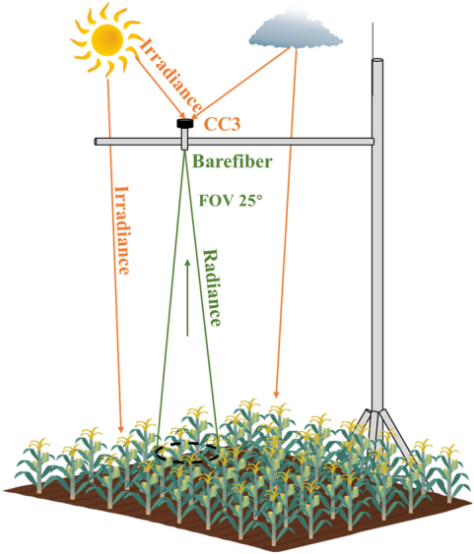
A bifurcated fiber-optic configuration records incoming solar irradiance and target-reflected radiance in near-simultaneous measurements. The system derives solar-induced chlorophyll fluorescence (SIF), photosynthetically active radiation (PAR), vegetation indices, and crop biochemical parameters for monitoring from individual leaves to regional observation networks.
These measurements provide direct information about vegetation photosynthetic activity and growth dynamics. The data complement reflectance-based remote sensing in terrestrial carbon-cycle research, ecosystem monitoring, crop management, and precision agriculture.
Monitoring Software and System Architecture
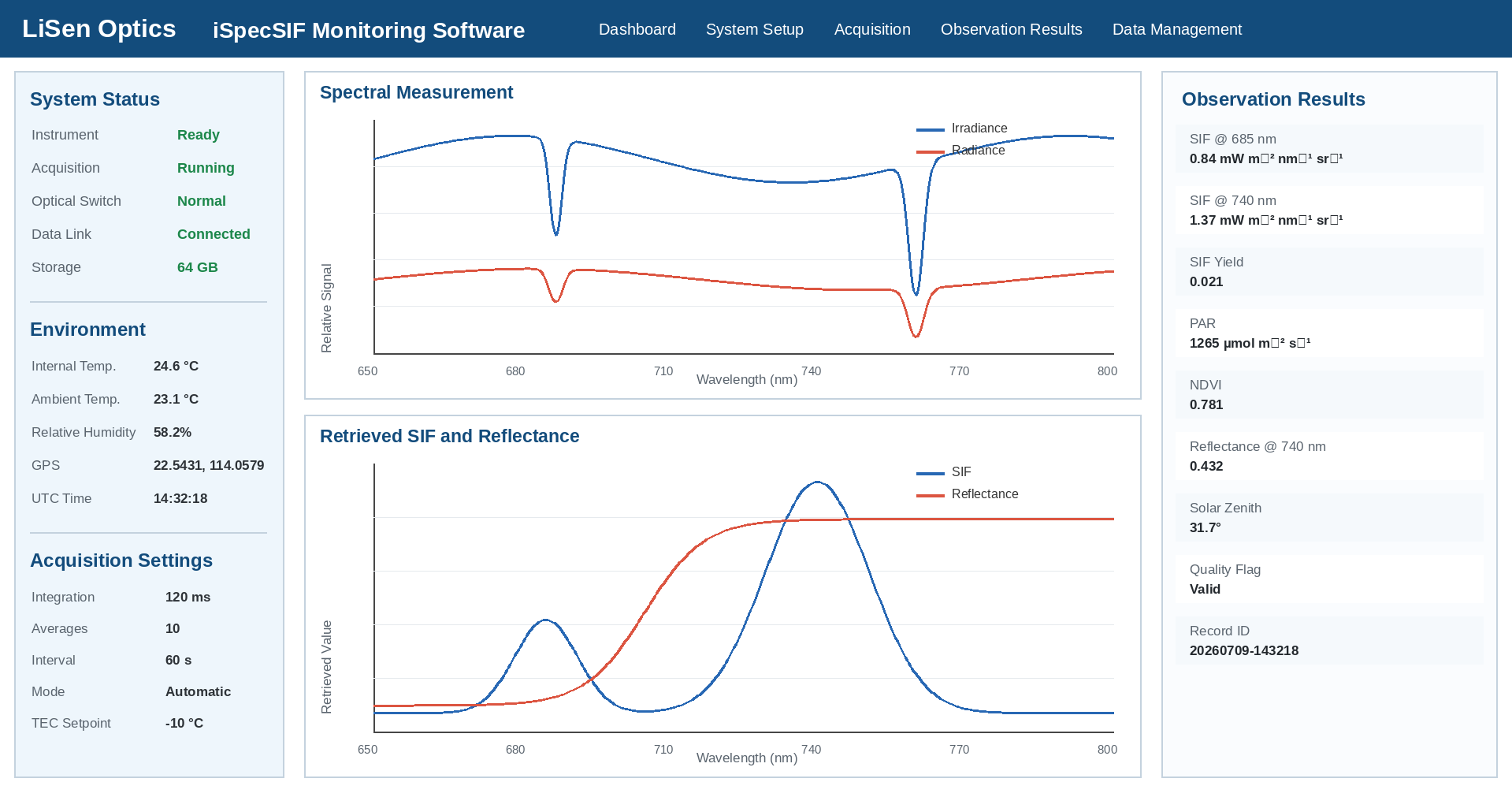
The software displays raw spectra, irradiance, radiance, reflectance, retrieved SIF, environmental measurements, GPS information, and system diagnostics in real time. Operators can configure integration time, acquisition intervals, measurement schedules, and detector cooling settings.

Typical Applications



How Solar-Induced Fluorescence Measurement Works
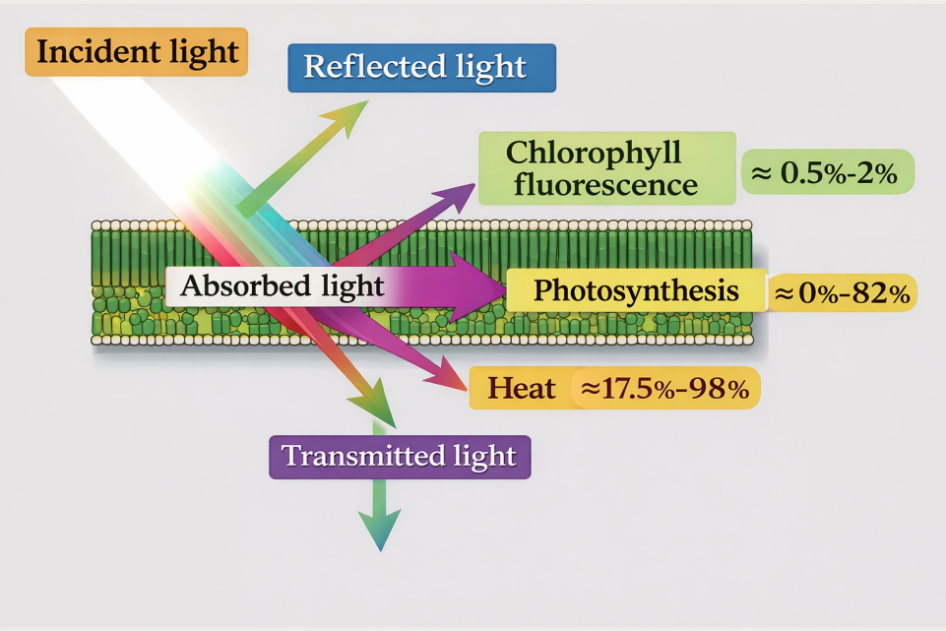
Plants use most absorbed sunlight for photosynthesis or release it as heat. A smaller fraction, typically 0.5% to 2%, is re-emitted as solar-induced chlorophyll fluorescence. The fluorescence spectrum extends approximately from 650 to 800 nm and has characteristic peaks near 685 and 740 nm.
Because SIF responds directly to photosynthetic processes, continuous measurements can reveal changes in canopy activity before they become clear in conventional reflectance indices. High-frequency time-series data support crop growth analysis, yield assessment, and field-management decisions.
Automated Monitoring Features
- Adaptive acquisition and processing: The system adjusts acquisition modes, communications, and processing algorithms to ambient illumination and target conditions.
- System diagnostics: Continuous checks cover instrument temperature, operating status, data quality, and calibration parameters.
- Automatic fault recovery: The controller can restart, reset, or adjust system parameters after a detected fault to reduce data loss.
- Remote maintenance: Firmware and algorithms can be updated locally or through the communications interface.
- Real-time visualization: The interface displays spectra, reflectance, irradiance, radiance, vegetation indices, and key measurement parameters.
- Integrated SIF products: Processing outputs include FBRE, SIF, SIFT, TRP, and SIFY for reflectance, fluorescence, photosynthetic-rate, and quantum-yield analysis.
Field Deployment and Research Applications
Long-Term Canopy Monitoring
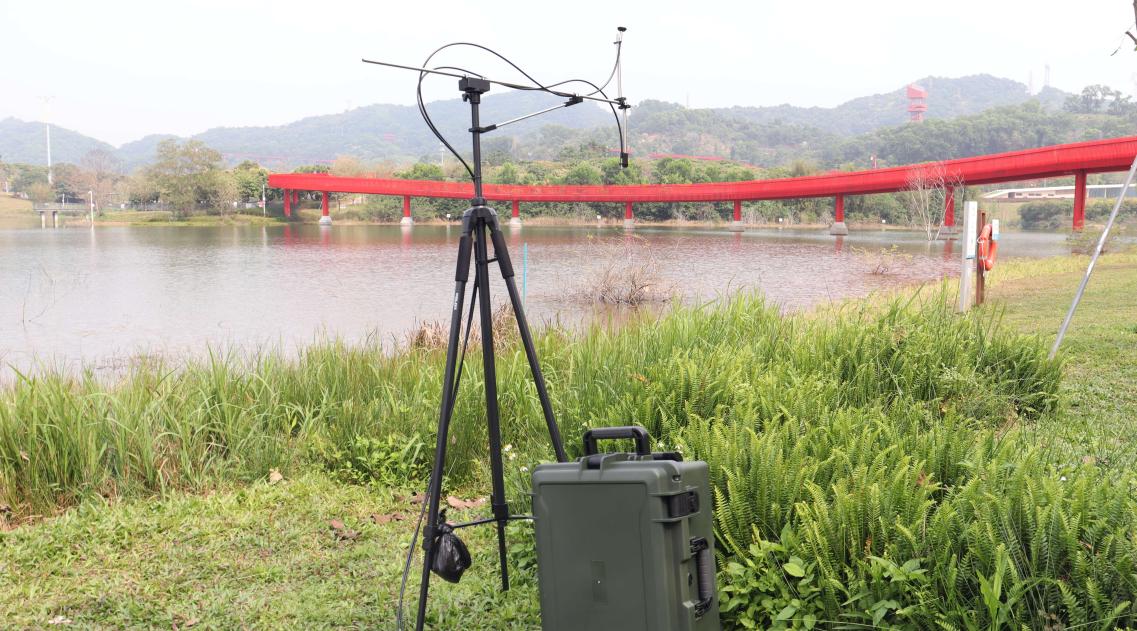
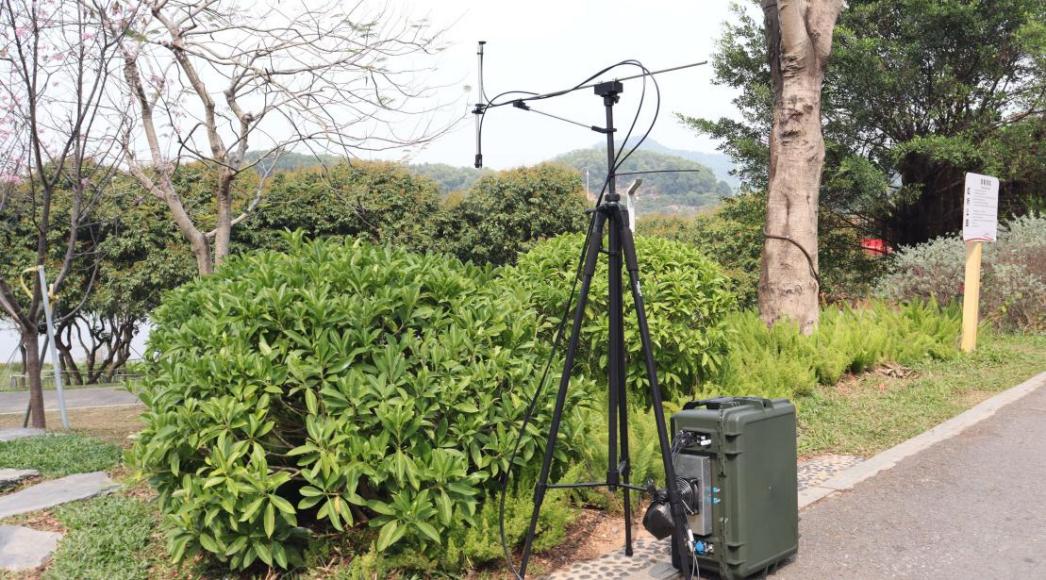
The iSpecSIF can operate on flux towers, observation towers, or ground platforms in forests and agricultural fields. It records diurnal and seasonal SIF dynamics and supplies ground-reference data for satellite and UAV remote-sensing products.
Plant Disease and Pest Stress
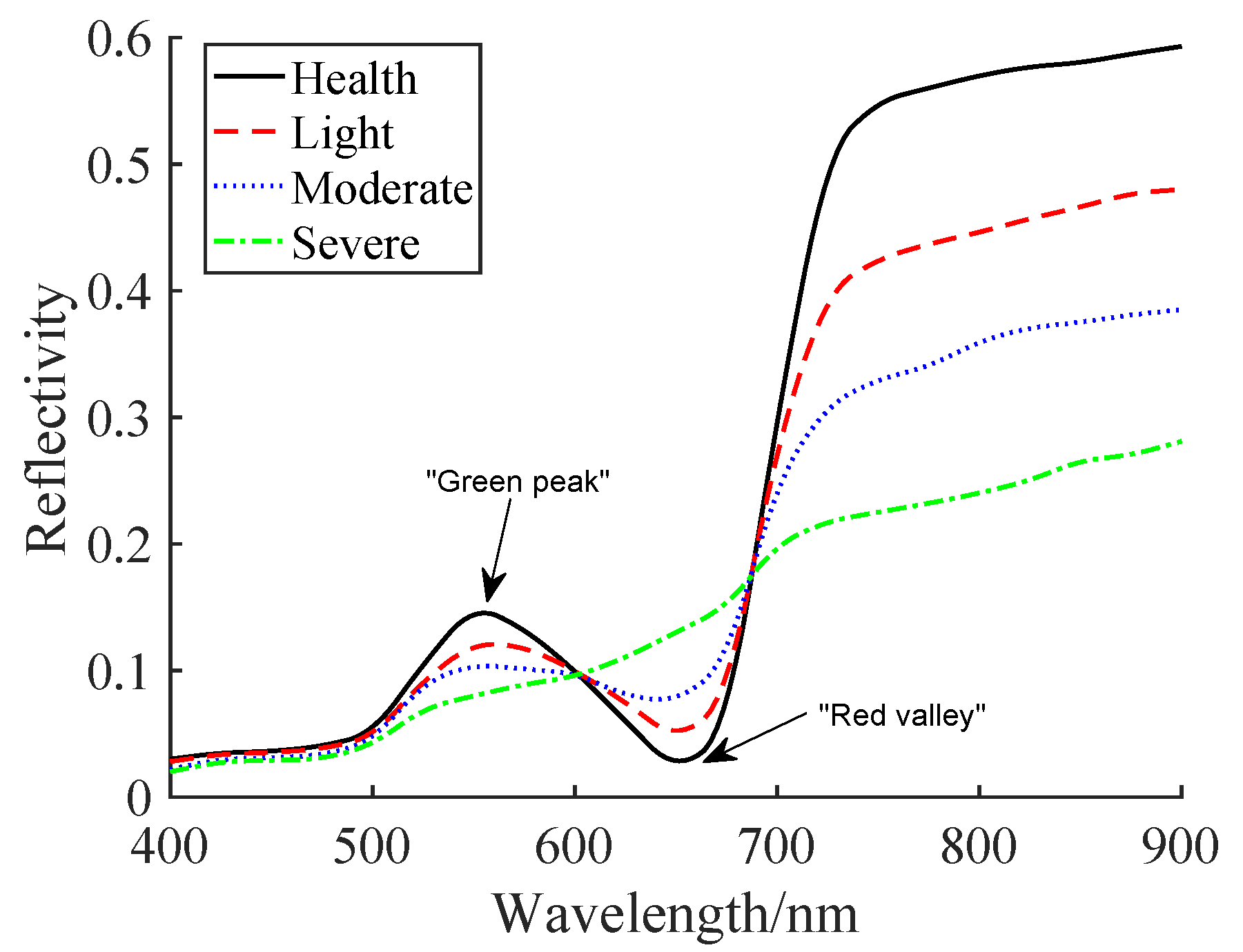
Disease and pest stress change canopy structure, leaf anatomy, chlorophyll content, and spectral response. The system measures changes across the visible, red-edge, and near-infrared regions to support plant-species identification and earlier detection of vegetation stress.
Drought Stress Assessment
SIF is sensitive to changes in photosynthetic activity under water stress and may decline before conventional vegetation indices show a large response. Combined with ground, UAV, and satellite observations, the system supports drought monitoring from field plots to regional scales.
Carbon Cycling and Forest Ecology
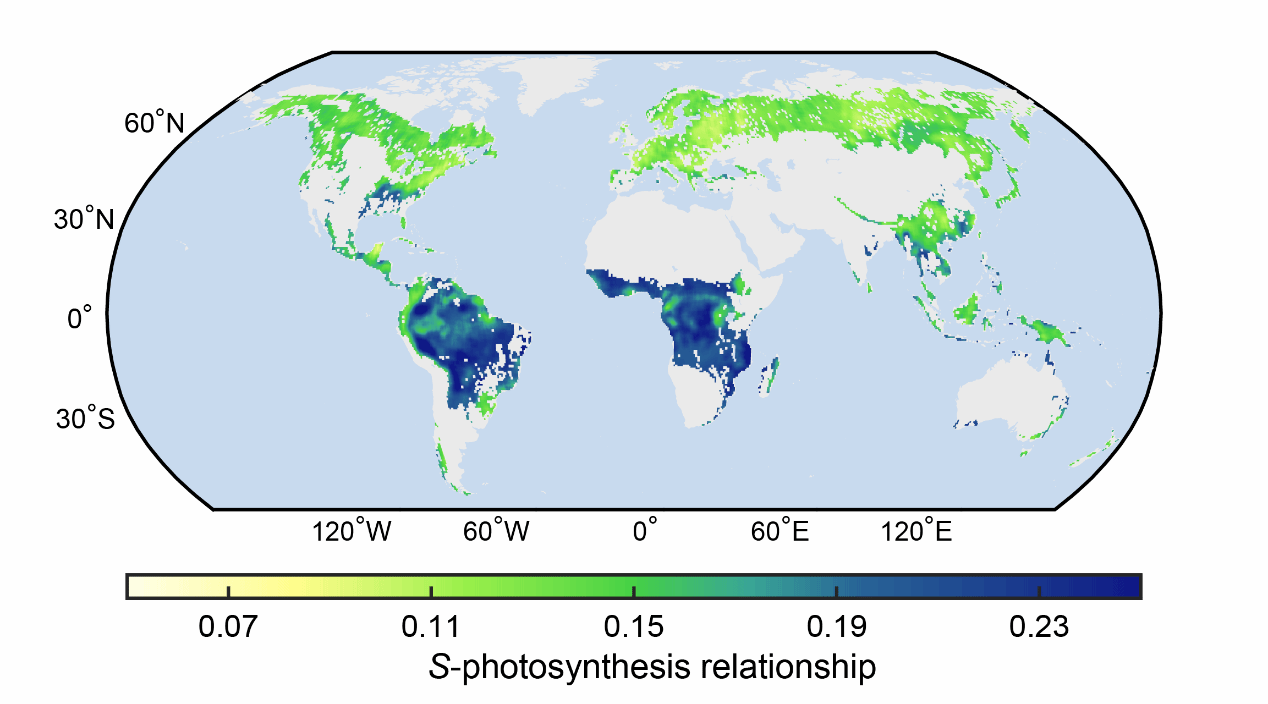
Solar-induced chlorophyll fluorescence connects ground measurements with satellite assessments of ecosystem carbon uptake. Its relationship with gross primary productivity supports research into forest structure, seasonal dynamics, ecosystem management, and carbon-sink assessment.
Parameter
Technical Specifications
| Parameter | iSpecSIF-HSR400TEC-S/A/M4 | iSpecSIF-HSR400TEC-PRO-S/A/M4 |
|---|---|---|
| Product Image |
 |
|
| Available Configurations | S, A, M4 | PRO-S, PRO-A, PRO-M4 |
| Observation Channels | S/A: Single channel; M4: 4 channels (customizable) | PRO-S/PRO-A: Single channel; PRO-M4: 4 channels (customizable) |
| Viewing Geometry | S/M4: Nadir (0°); A: Multi-angle -20°, -10°, 0°, +10°, +20° (customizable) | PRO-S/PRO-M4: Nadir (0°); PRO-A: Multi-angle -20°, -10°, 0°, +10°, +20° (customizable) |
| Wavelength Range | 650-800 nm | 650-800 nm; 350-1050 nm |
| Wavelength Accuracy | 0.2 nm @ 650-800 nm | 0.2 nm @ 650-800 nm; 0.2 nm @ 350-1050 nm |
| Wavelength Repeatability | ±0.1 nm @ 650-800 nm | ±0.1 nm @ 650-800 nm; ±0.5 nm @ 350-1050 nm |
| Spectral Resolution | ≤0.3 ± 0.1 nm @ 650-800 nm | ≤0.3 ± 0.1 nm @ 650-800 nm; ≤1.5 nm @ 350-1050 nm |
| Spectral Sampling Interval | 0.17 nm @ 650-800 nm | 0.17 nm @ 650-800 nm; ≤0.68 nm @ 350-1050 nm |
| Number of Spectral Channels | 900 @ 650-800 nm | 900 @ 650-800 nm; 1030 @ 350-1050 nm |
| Stray Light | ≤0.15% @ 650-800 nm | ≤0.15% @ 650-800 nm; ≤0.4% @ 350-1050 nm |
| Signal-to-Noise Ratio (SNR) | ≥1000:1 @ 650-800 nm | ≥1000:1 @ 650-800 nm; ≥300:1 @ 350-1050 nm |
| Dynamic Range | ≥10,000:1 @ 650-800 nm | ≥10,000:1 @ 650-800 nm; 3000:1 @ 350-1050 nm |
| A/D Resolution (bits) | 24-bit @ 650-800 nm | 24-bit @ 650-800 nm; 16-bit @ 350-1050 nm |
| Noise-Equivalent Radiance | 4.4 × 10⁻⁸ W·cm⁻²·nm⁻¹·sr⁻¹ | 4.4 × 10⁻⁸ W·cm⁻²·nm⁻¹·sr⁻¹ |
| Linearity | ≥99.5% | ≥99.5% |
| Detector and Scan Mode | 1024-pixel area-array BT-CCD; fixed holographic grating | 1024-pixel area-array BT-CCD; fixed holographic grating |
| Field of View (FOV) | 25° standard; optional 1°, 3°, 4°, 5°, 8°, 10°, and 15° fore optics | 25° standard; optional 1°, 3°, 4°, 5°, 8°, 10°, and 15° fore optics |
| Cosine Corrector | 180° hemispherical observation | 180° hemispherical observation |
| Measurement Time | 6 ms-60 s | 6 ms-60 s |
| Maximum Input Irradiance | Up to 10 suns | Up to 10 suns |
| GPS / Storage | Yes / 64 GB | Yes / 64 GB |
| Temperature Sensor | Synchronized acquisition from multiple temperature sensors | Synchronized acquisition from multiple temperature sensors |
| Detector Cooling and Temperature Control | TEC thermoelectric cooling | TEC thermoelectric cooling |
| Acquisition Mode | Wi-Fi / 4G / Ethernet (RJ45) | Wi-Fi / 4G / Ethernet (RJ45) |
| Data Download | RJ45 / Wi-Fi / 4G | RJ45 / Wi-Fi / 4G |
| Operating Mode | Energy-saving mode | Energy-saving mode |
| Observation Mode | Manual / Automatic | Manual / Automatic |
| Power Supply / Power Consumption | 24 V DC / 180 W | 24 V DC / 180 W |
| Dimensions / Weight | 600 × 450 × 310 mm / 22 kg | 600 × 450 × 310 mm / 22 kg |
| Measurement Software | 1) Real-time measurement display: incident-signal DN and irradiance; reflected-signal DN and radiance; reflectance spectra; and retrieved SIF. Also displays instrument status, internal and ambient temperature and humidity, GPS data, and related diagnostics. 2) Configurable measurement parameters, including spectrometer integration time, acquisition interval, measurement schedule, and detector cooling temperature. 3) Supports five index algorithms, including SIF, SIFT, SIFY, FBRE, and TRP. The software further processes acquired data and provides time-series visualization of index variations. 4) Measurement data are stored on a server, enabling online viewing and direct data download. | 1) Real-time measurement display: incident-signal DN and irradiance; reflected-signal DN and radiance; reflectance spectra; and retrieved SIF. Also displays instrument status, internal and ambient temperature and humidity, GPS data, and related diagnostics. 2) Configurable measurement parameters, including spectrometer integration time, acquisition interval, measurement schedule, and detector cooling temperature. 3) Supports five index algorithms, including SIF, SIFT, SIFY, FBRE, and TRP. The software further processes acquired data and provides time-series visualization of index variations. 4) Measurement data are stored on a server, enabling online viewing and direct data download. |