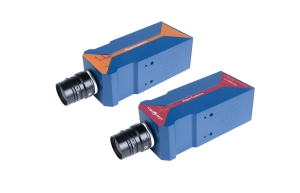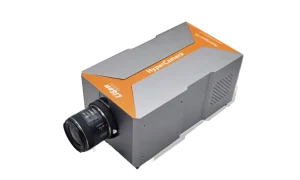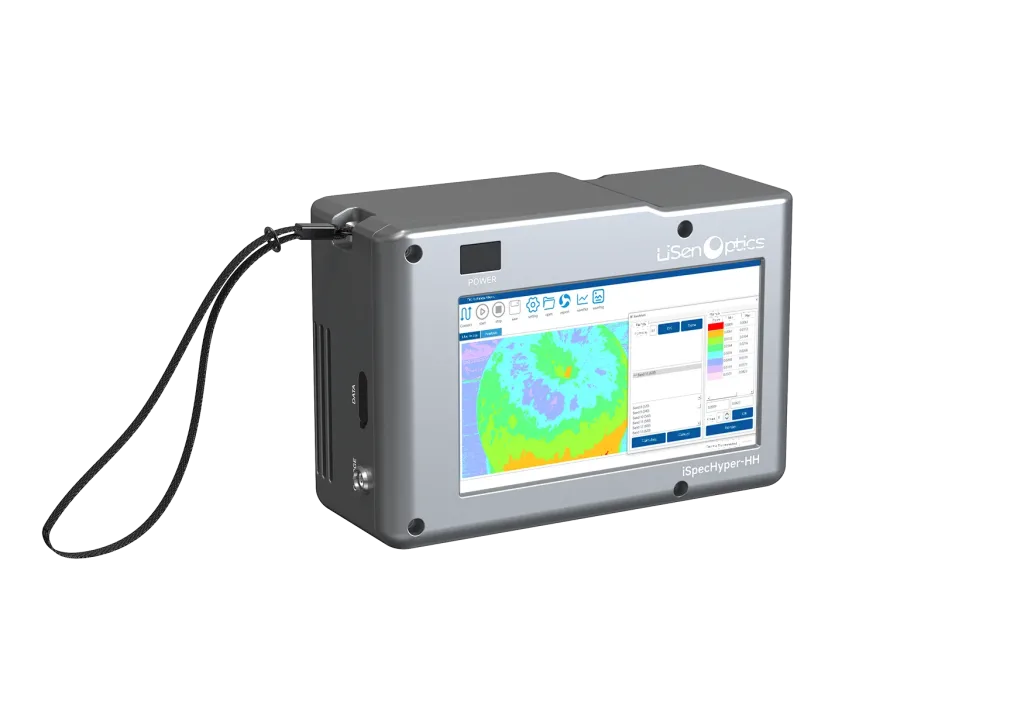
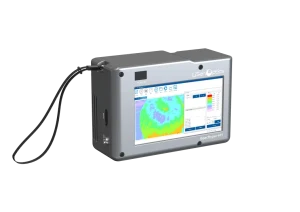
The iSpecHyper-HH handheld hyperspectral camera captures a complete 380–980 nm hyperspectral image in a single exposure, recording spectral information at every pixel. Its proprietary CMOS-based sensor combines spectral modulation with optical-to-electrical conversion to reduce optical complexity and improve system consistency and reliability.
Snapshot acquisition, real-time spectral analysis, and a handheld design support field measurements, research, and inspection workflows.
Key Features
- Real-time spectral imaging: capture raw hyperspectral data and RGB images while displaying point spectra in real time.
- Spectral analysis: use band math, k-means clustering, mean, median, and Gaussian filtering, SAM classification, CIE L*a*b* output, and illuminance and irradiance calculations.
- 40+ spectral indices: work with NDVI, SR, EVI, ARVI, NDVI750, and other indices, with direct photosynthetically active radiation (PAR) output.
- Extensible algorithms: support application-specific models, including tobacco-leaf maturity assessment.
- Flexible export: export ENVI-compatible data at selectable 0.5 MP or 2 MP spatial resolution.
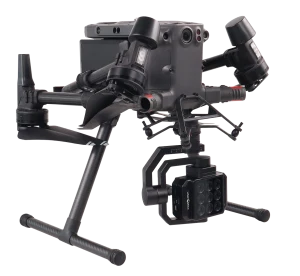
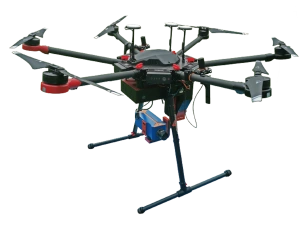
- Aerial survey acquisition: use timed and fixed-point scanning with automatic data storage.
- Environmental data: synchronize GPS coordinates with real-time temperature and humidity measurements.
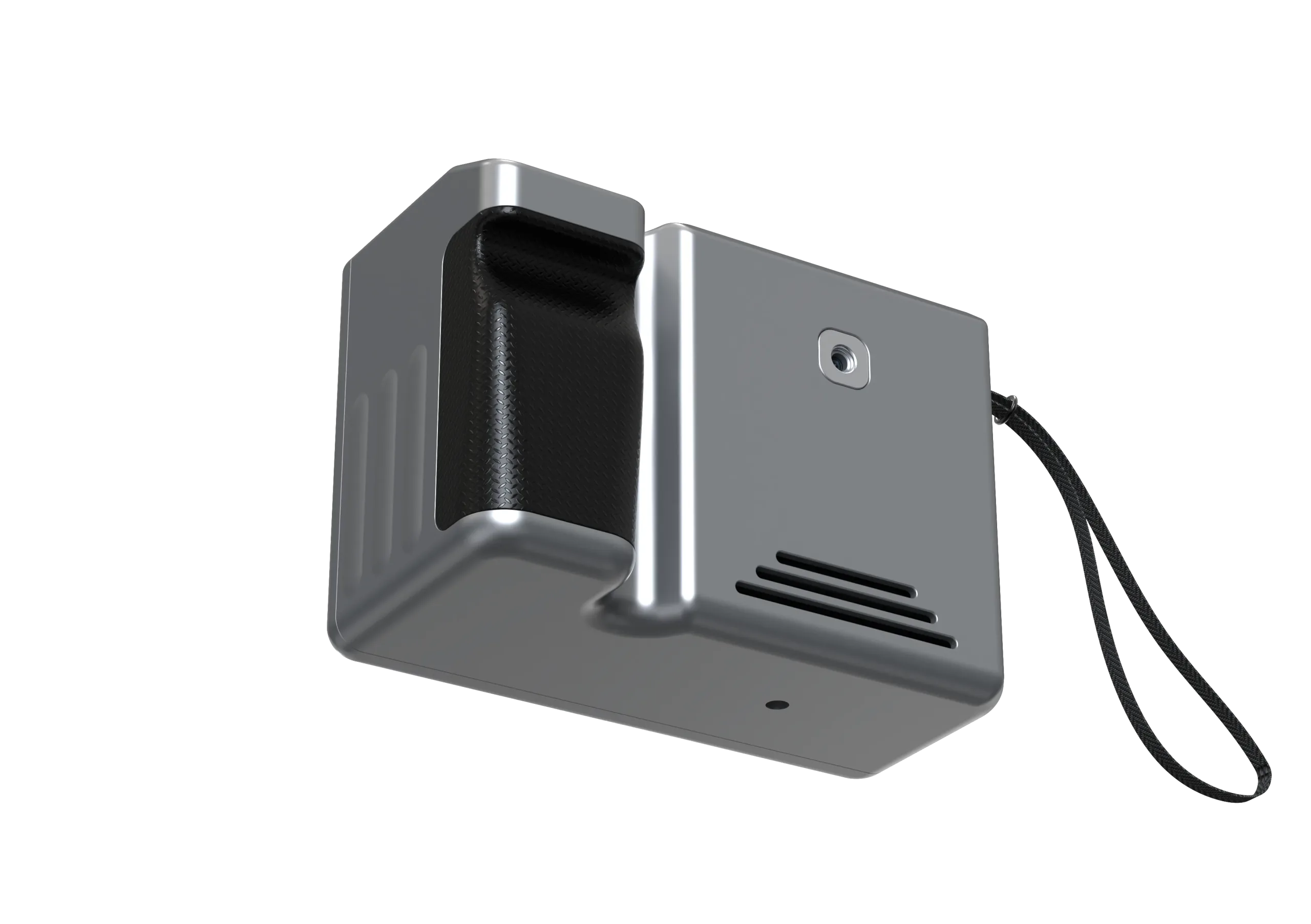
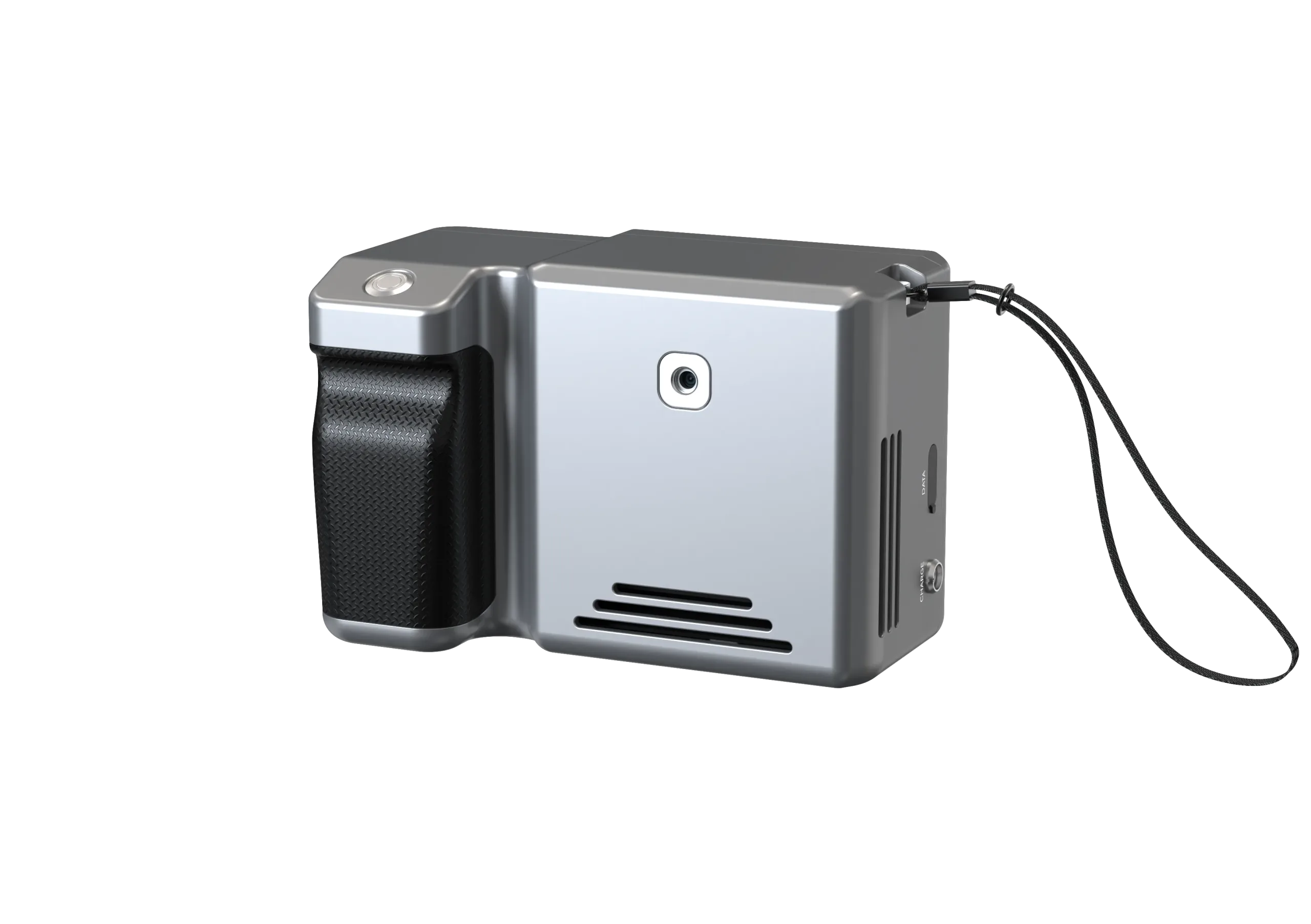
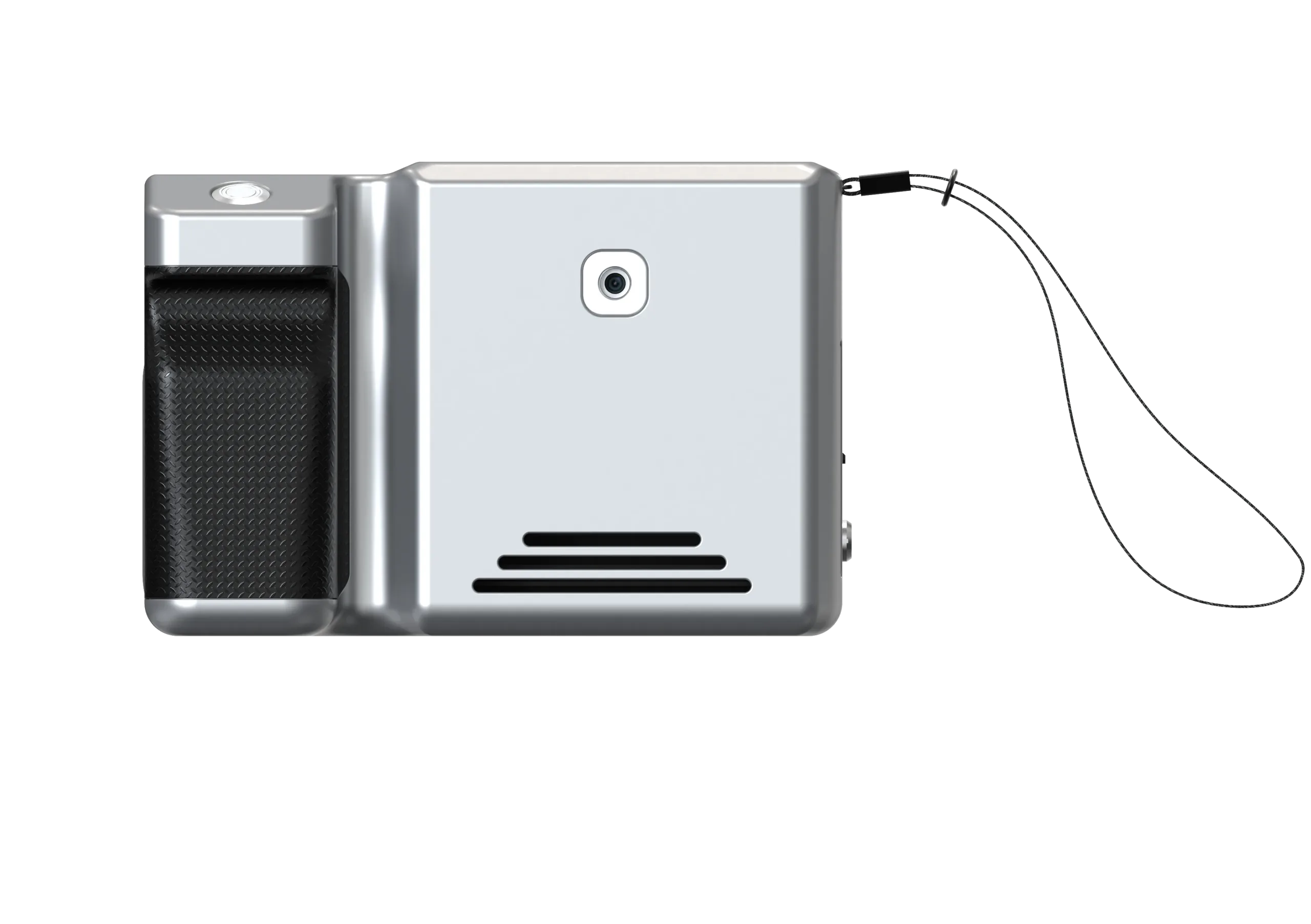
Product Views
Hardware Architecture
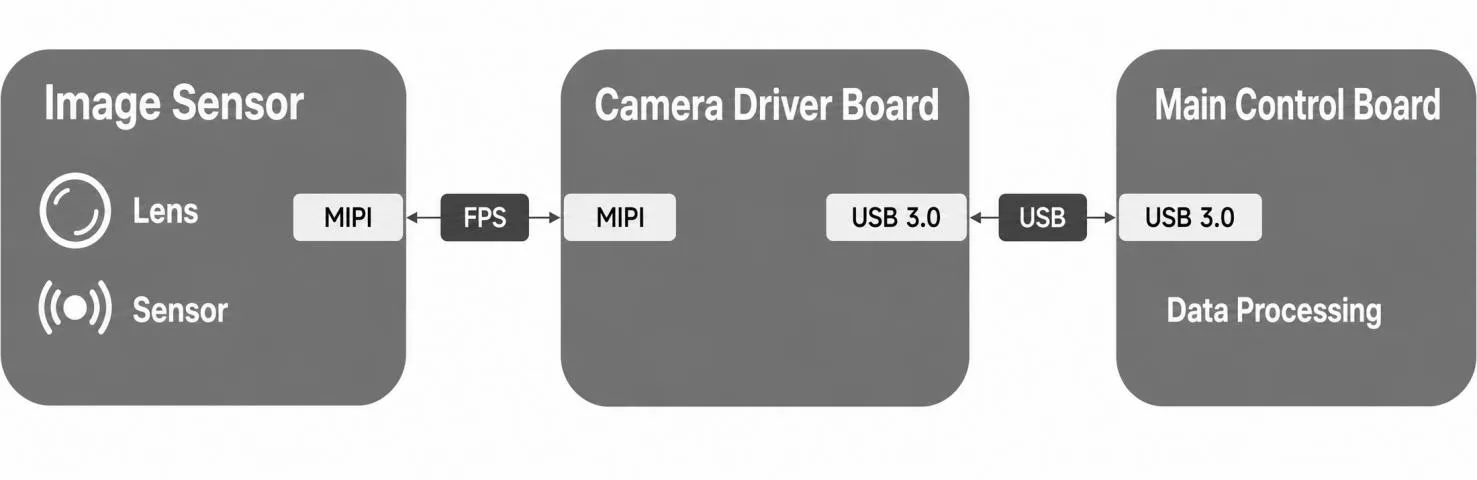
The camera hardware links the image sensor, camera driver board, and main control board for data acquisition and processing.
Technical Specifications
| Parameter | iSpecHyper-HH |
|---|---|
| Product Image |
 |
| Spectral Range | 380–980 nm |
| Spectral Bandwidth | 20 nm (user configurable) |
| Detector | CMOS |
| Detector Format | 1/5 in. |
| Pixel Size | 1.75 μm × 1.75 μm |
| Imaging Mode | Snapshot |
| Spectral Channels | 31 |
| Spatial Resolution | 800 × 600; 1600 × 1200 |
| Field of View (FOV) | 71° (H) × 56° (V) × 83° (D) |
| Maximum Frame Rate | 30 fps |
| Online Modeling Frame Rate | 0.1 fps |
| Pixel Depth | 10-bit |
| Data Interface | USB 3.0 |
| Power Input | DC 12 V / 1 A |
| Operating Temperature | -10 to 40 °C |
| Storage Temperature | -20 to 65 °C |
| Weight | 1,000 g |
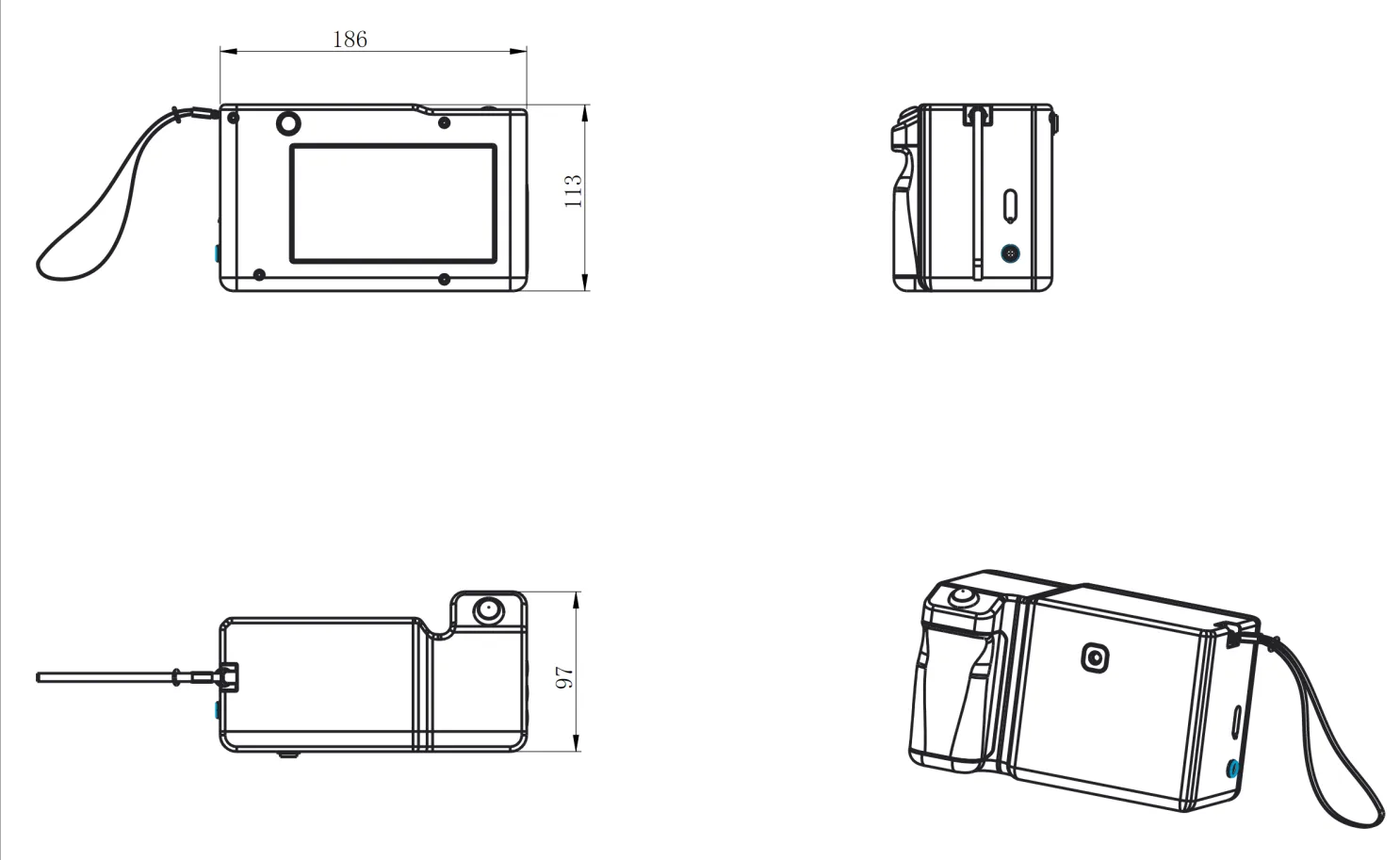
| Dimensions | 186 mm (L) × 97 mm (W) × 113 mm (H) |
Dimensions
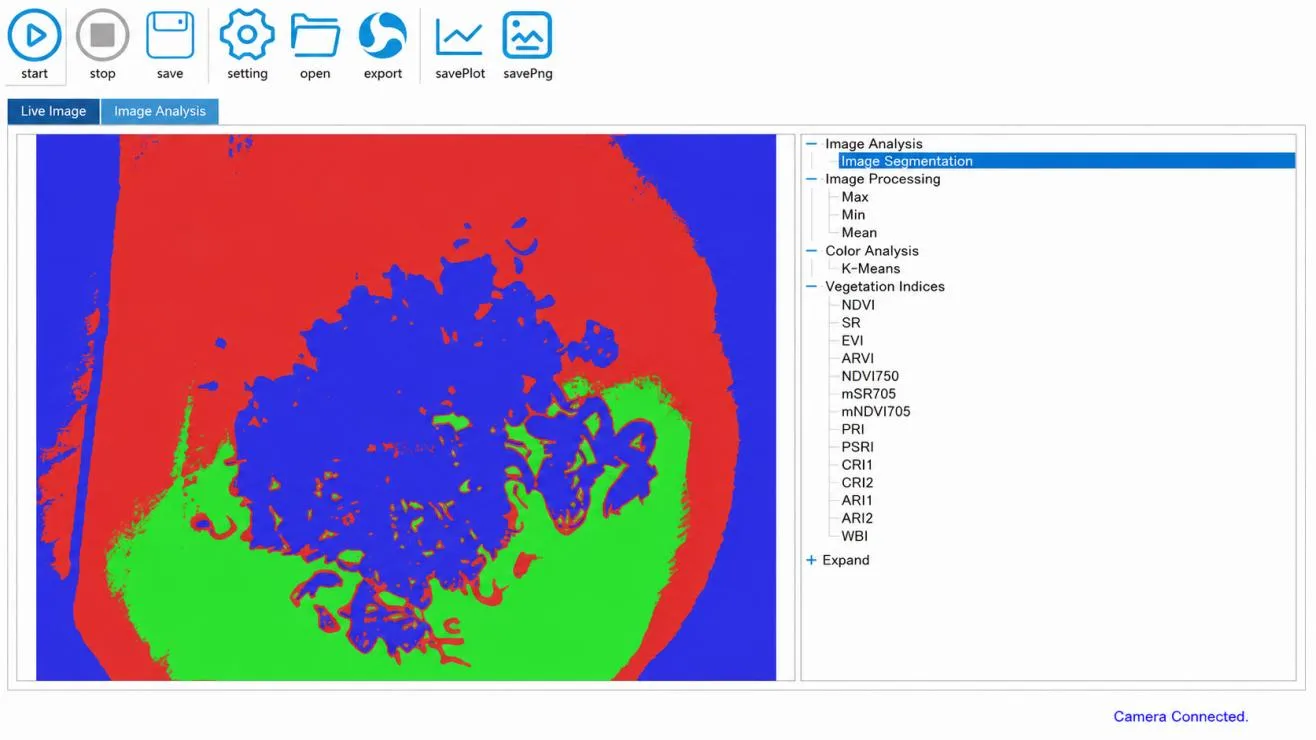
Software Interface
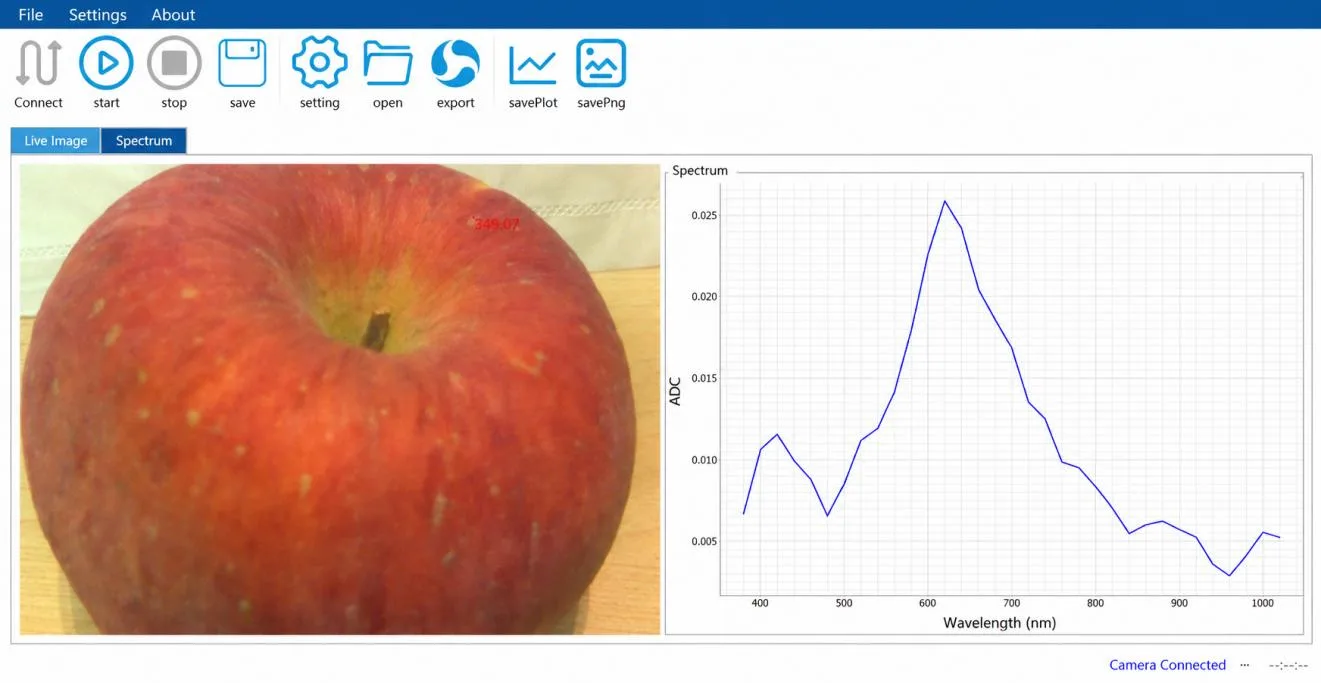
LiSen Optics processing software runs on Windows and supports CPU- and GPU-based processing. It produces RGB images, 31-band multispectral images, and luminance images, and retrieves the spectrum of any selected pixel.
The maximum camera frame rate is 30 fps. The specified online modeling frame rate is 0.1 fps.
Typical Applications




Application Examples
Camera spectral range: 380–980 nm. Some application figures below illustrate hyperspectral research over wider wavelength ranges, including thermal and SWIR examples.
Agriculture and Forestry
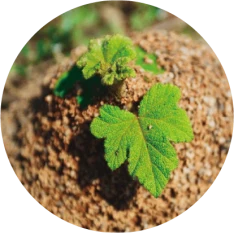
Hyperspectral analysis can monitor crop growth indicators such as nitrogen content, chlorophyll, and biomass, along with crop disease and soil fertility, to support precision-agriculture management.
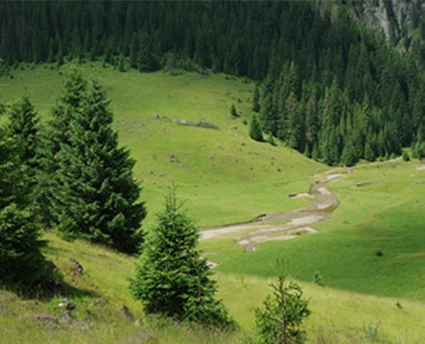
Combining hyperspectral and texture features of leaves from different tree species helps distinguish species and characterize the spatial distribution of leaf agronomic indicators. These measurements provide reference data for aerial tree-species classification.
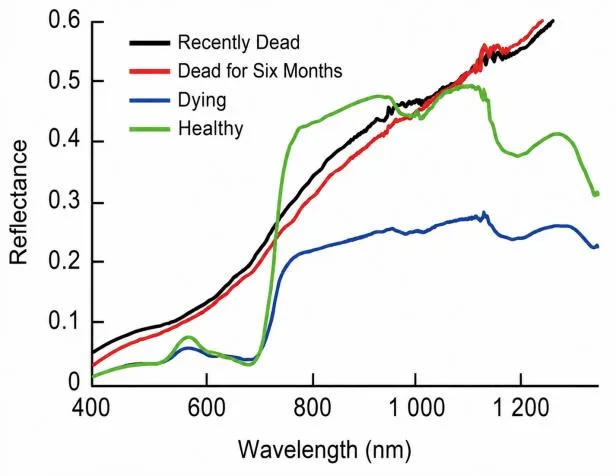
Research example; the plotted wavelength range extends beyond the camera’s specified 380–980 nm range.
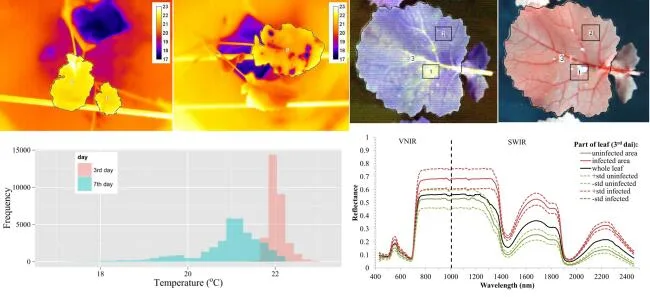
Research example includes thermal and SWIR data; the iSpecHyper-HH spectral range is 380–980 nm.
Fruit and Vegetable Quality
Hyperspectral imaging supports quality assessment and the removal of low-quality fruit and vegetables. It can evaluate moisture, sugar, and vitamin content and identify defects caused by bruising, insect damage, and cold-storage injury.
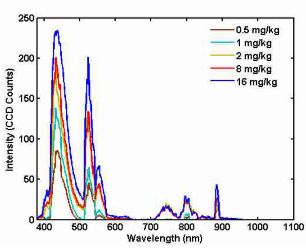
Research example; plotted wavelengths extend beyond 980 nm.
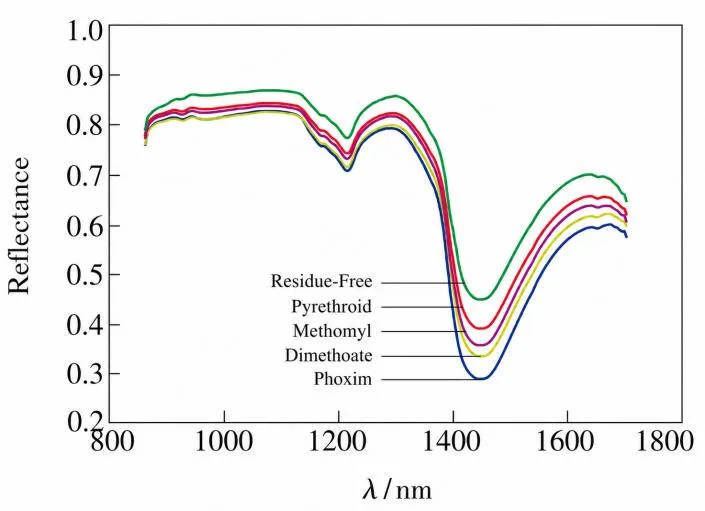
Research example covers wavelengths beyond the camera’s specified 380–980 nm range.
Water-Quality Monitoring
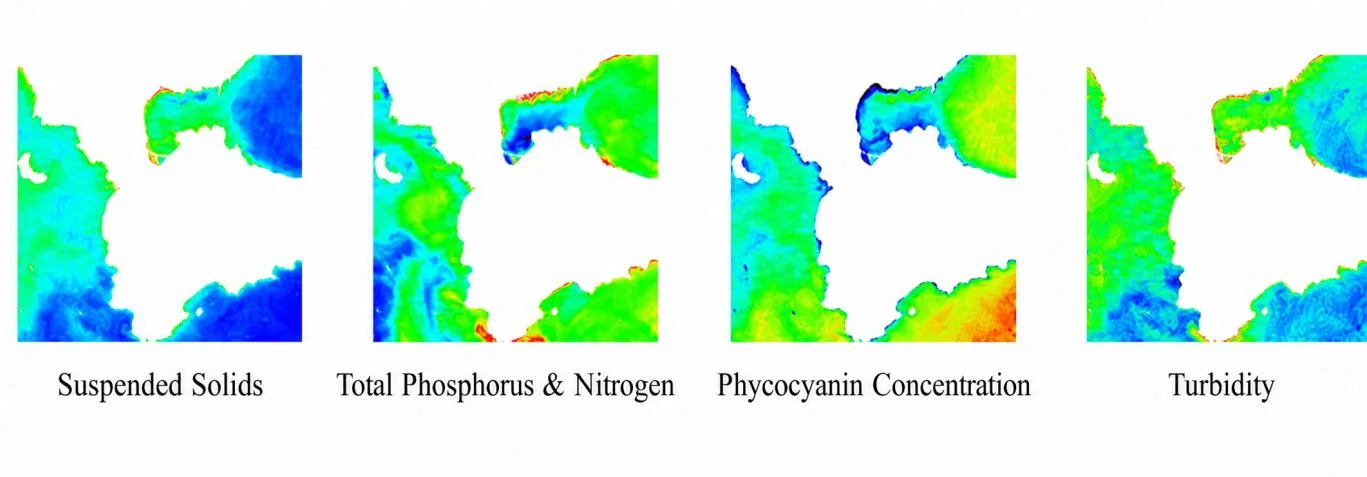
Hyperspectral analysis supports real-time monitoring of more than 10 water-quality parameters, including total phosphorus, total nitrogen, chlorophyll a, suspended solids, pH, chemical oxygen demand (COD), ammonia nitrogen, and dissolved oxygen.
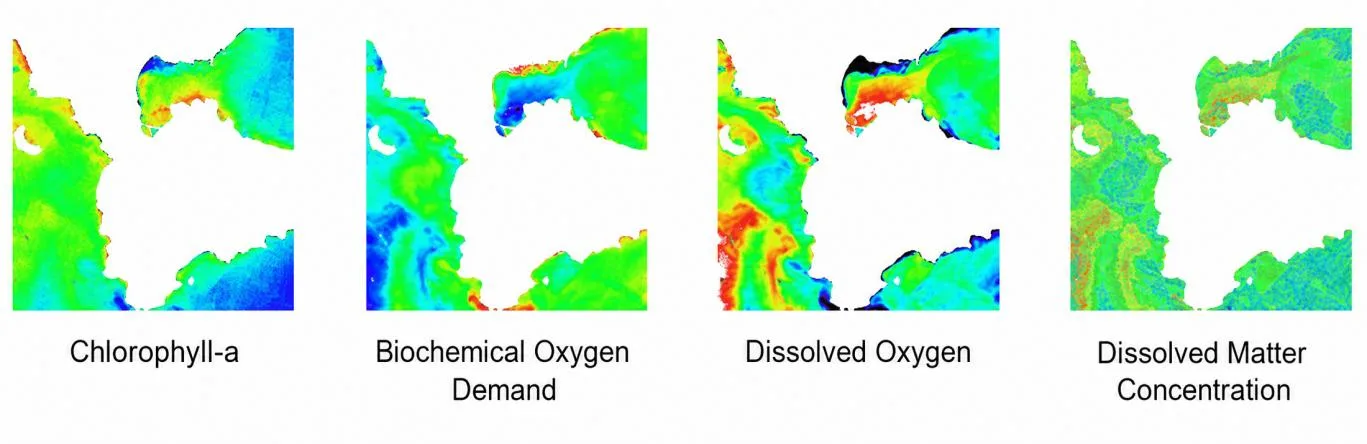
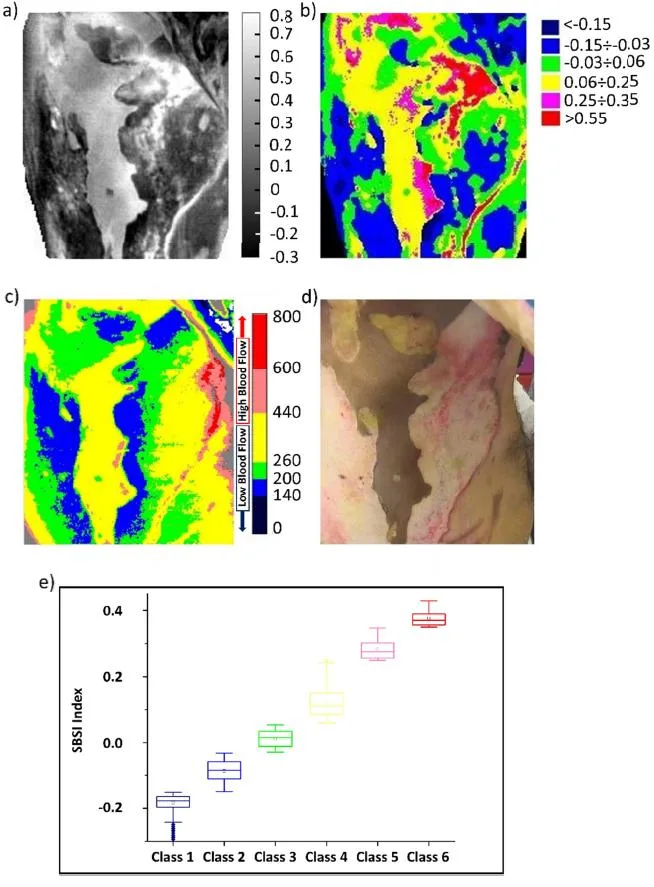
Skin Burn Assessment Research
Hyperspectral imaging can map burn severity across different skin regions, providing imaging data to support burn-severity assessment.
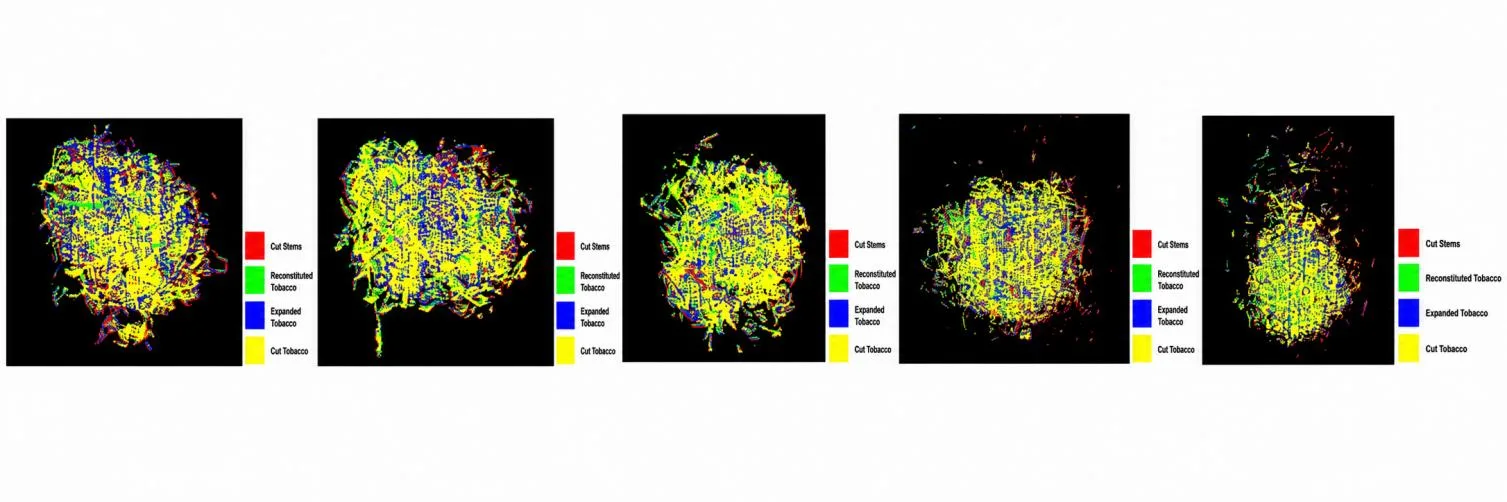
Tobacco Analysis
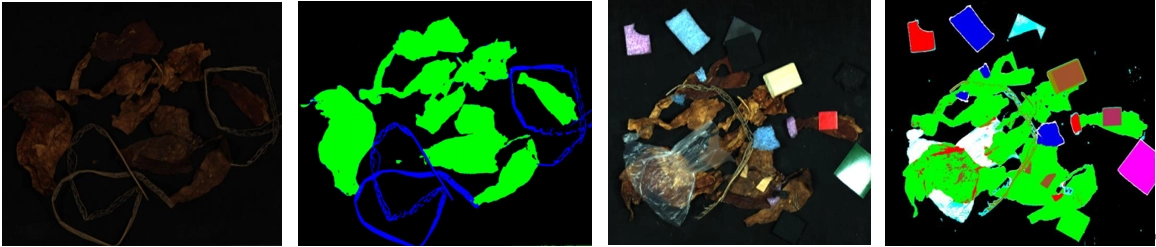
In tobacco processing, hyperspectral imaging can classify cut-tobacco types, evaluate biochemical composition, and identify foreign materials from their spectral information.

Industrial Plastic Sorting
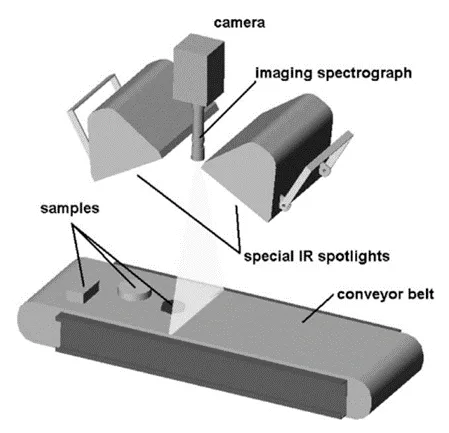
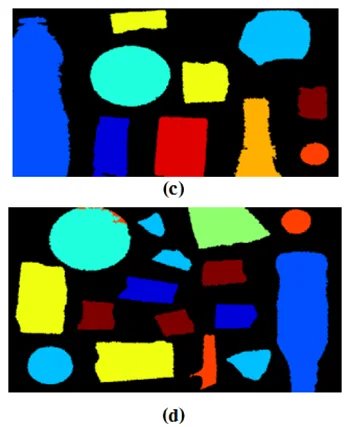
Integrated with a controlled-light enclosure, hyperspectral imaging can sort industrial plastics including PE, PP, PS, PC, PA, PU, PET, PVC, POM, and ABS.
For application-specific models or integration requirements, contact LiSen Optics. Browse the hyperspectral camera range for related products.